

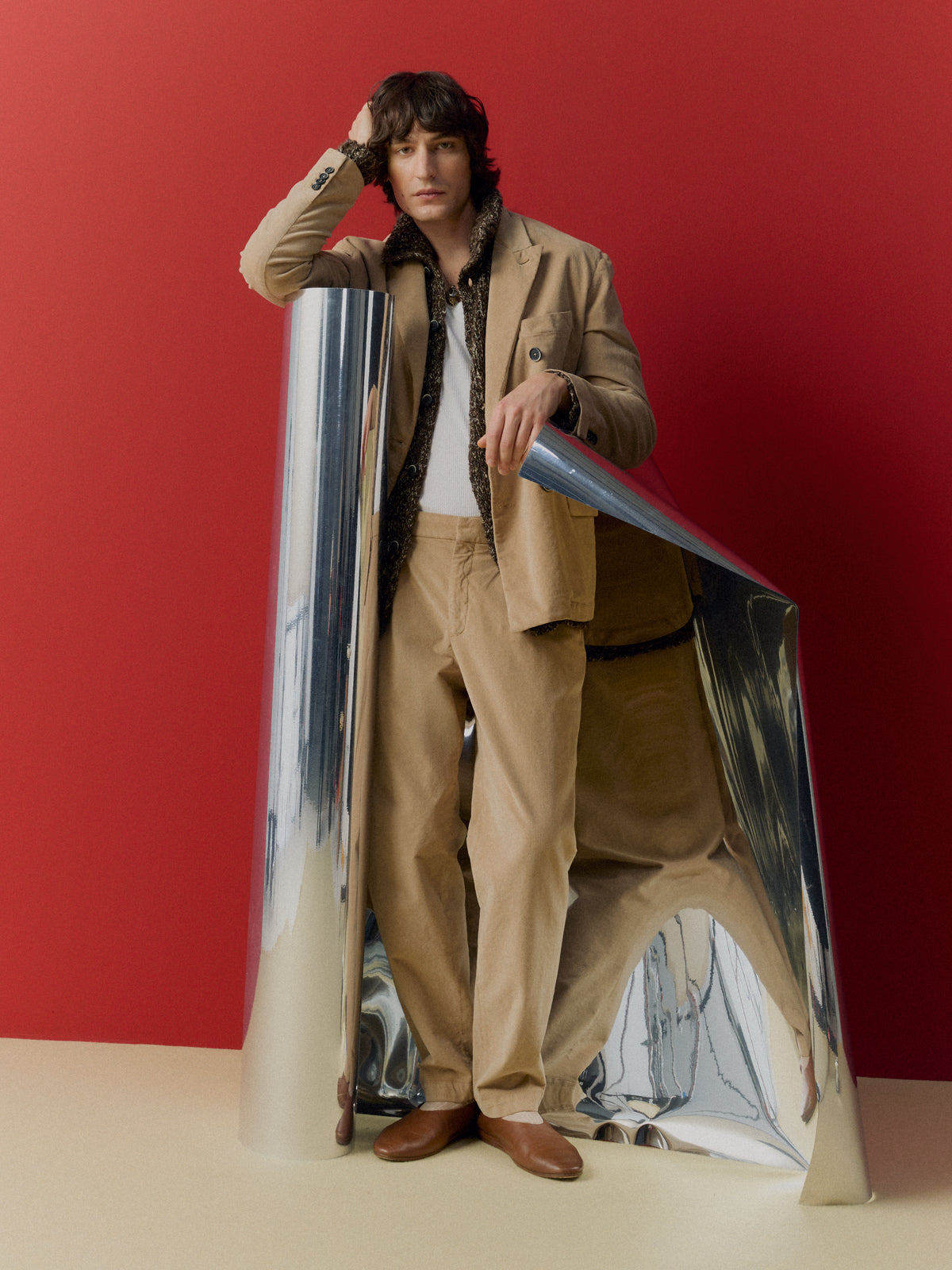
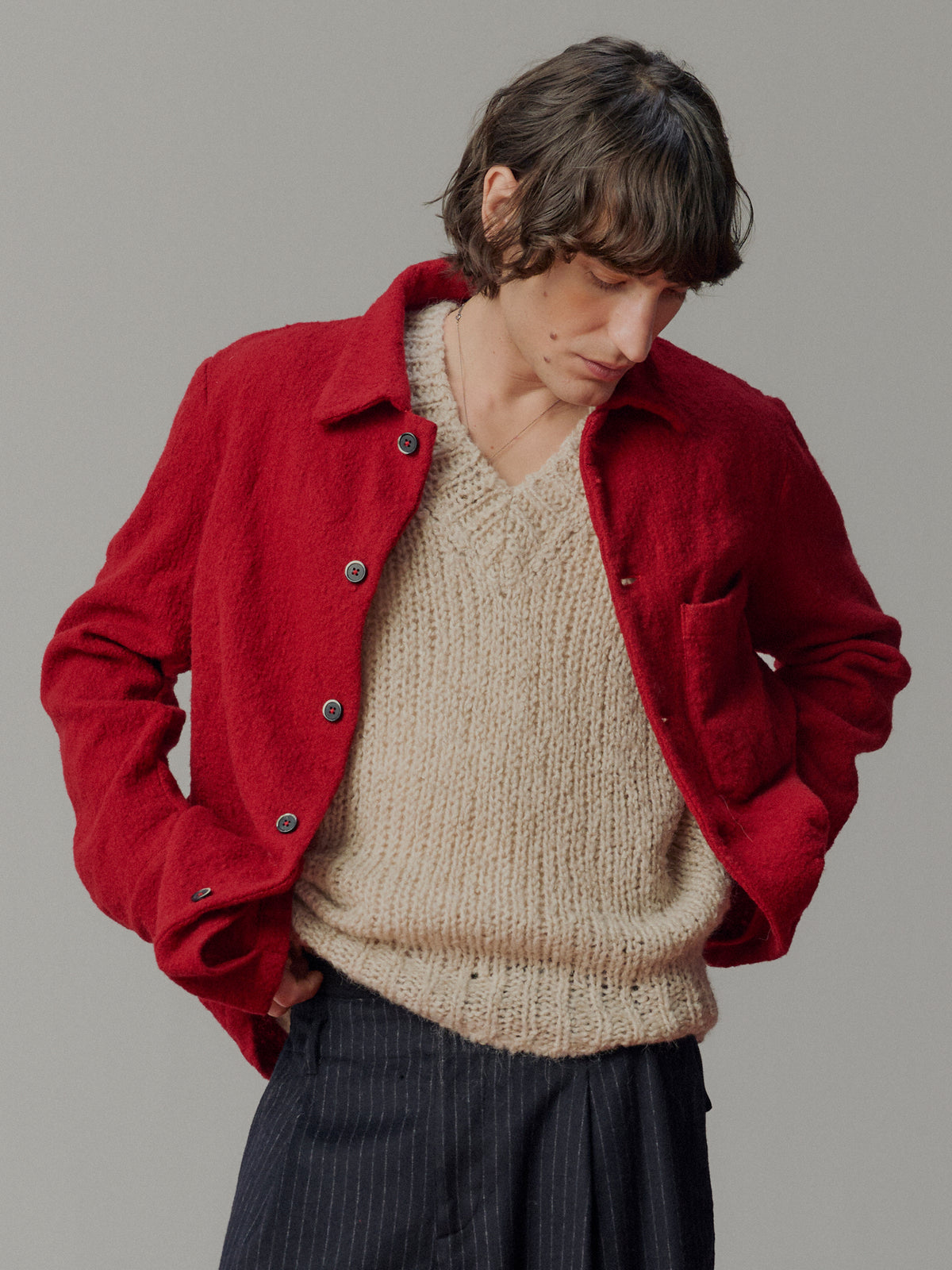
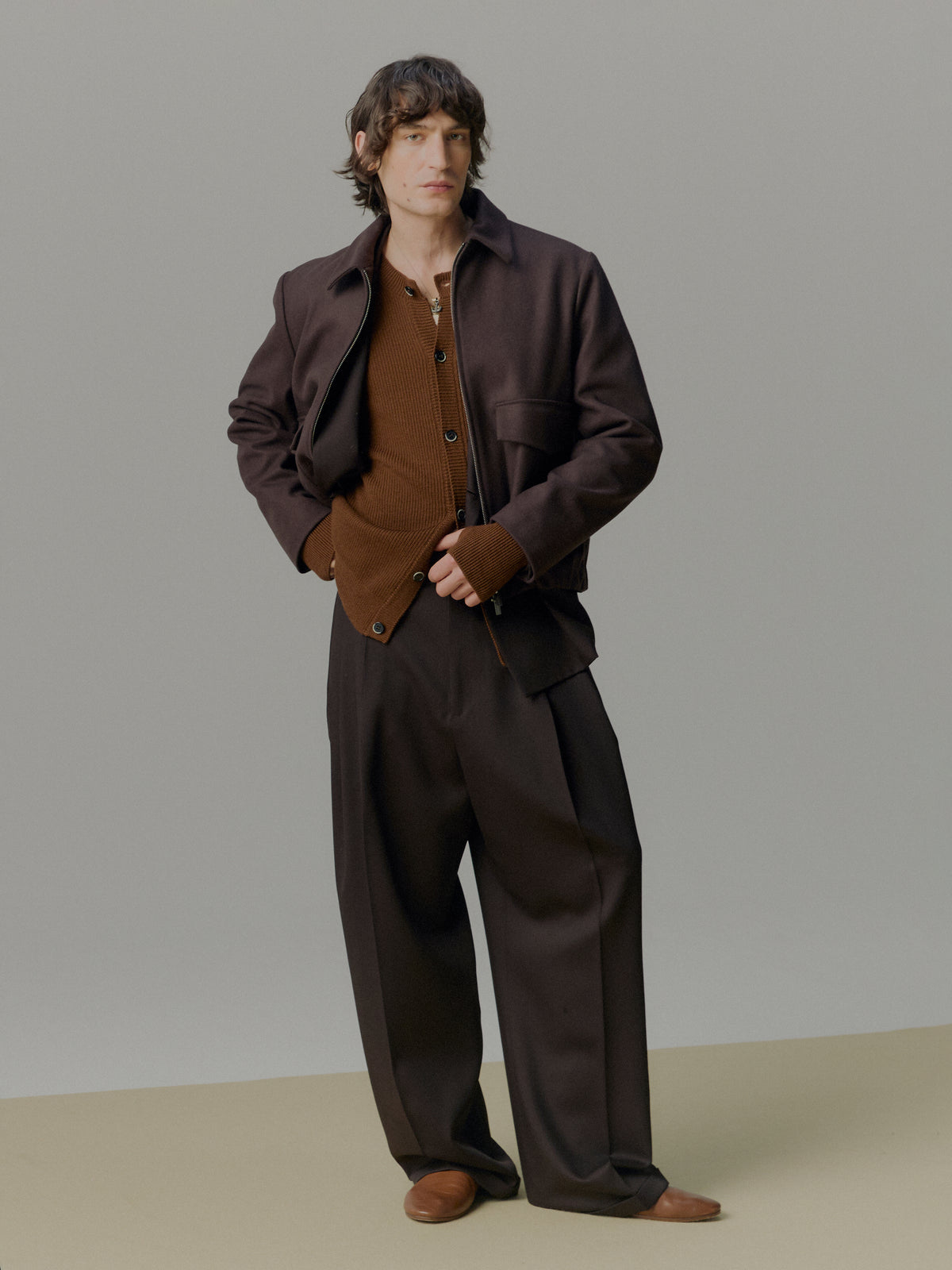

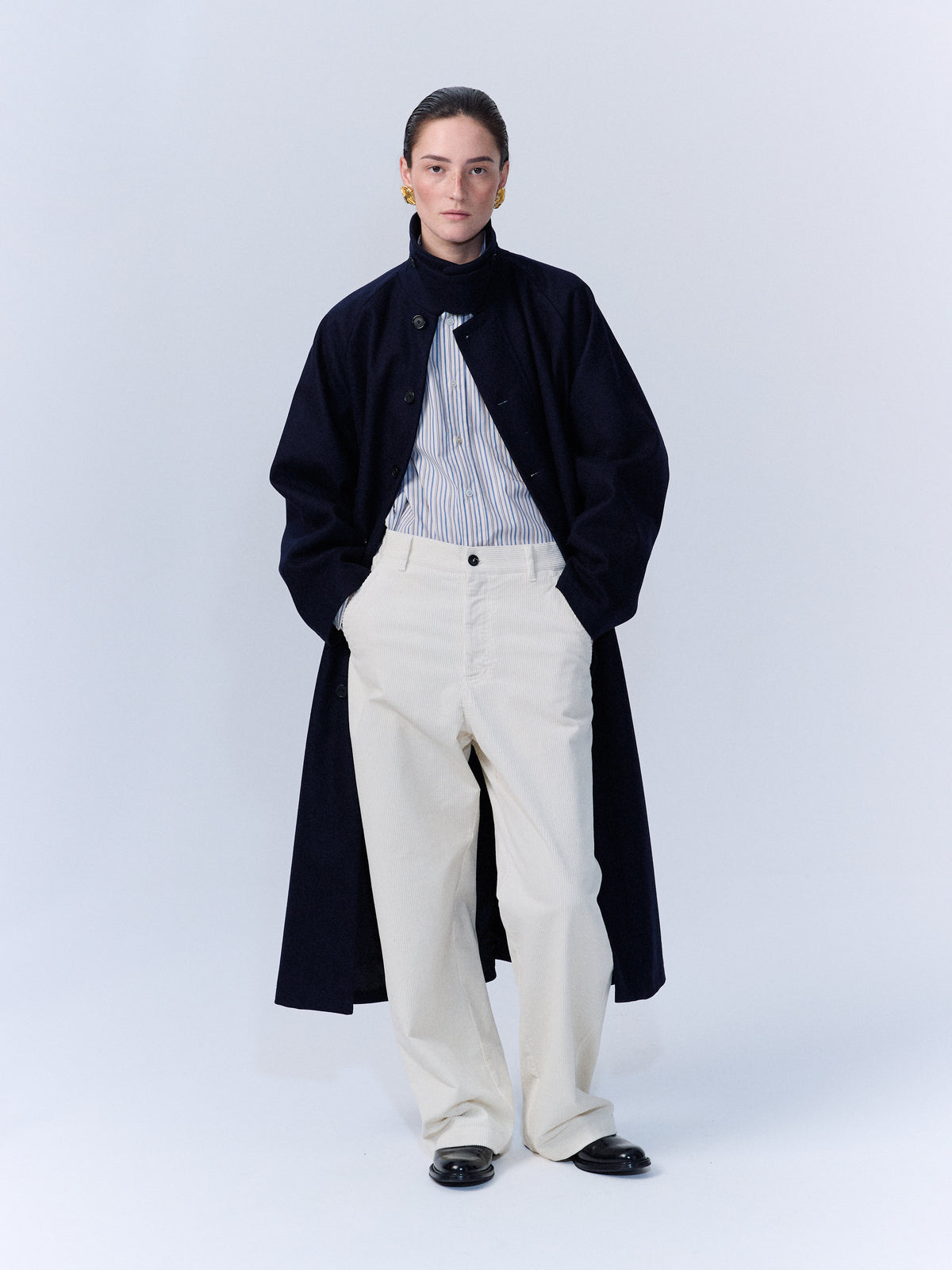
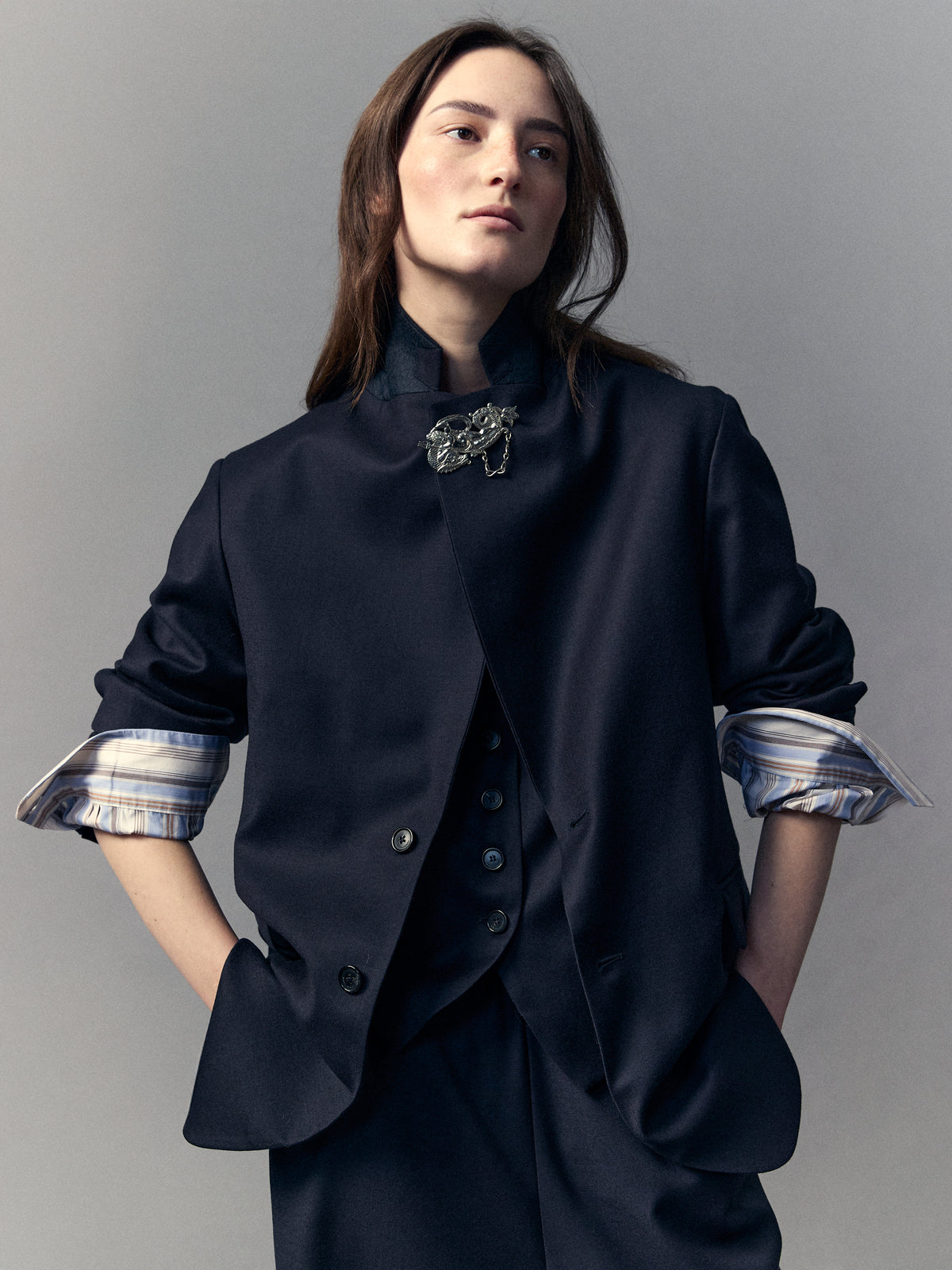
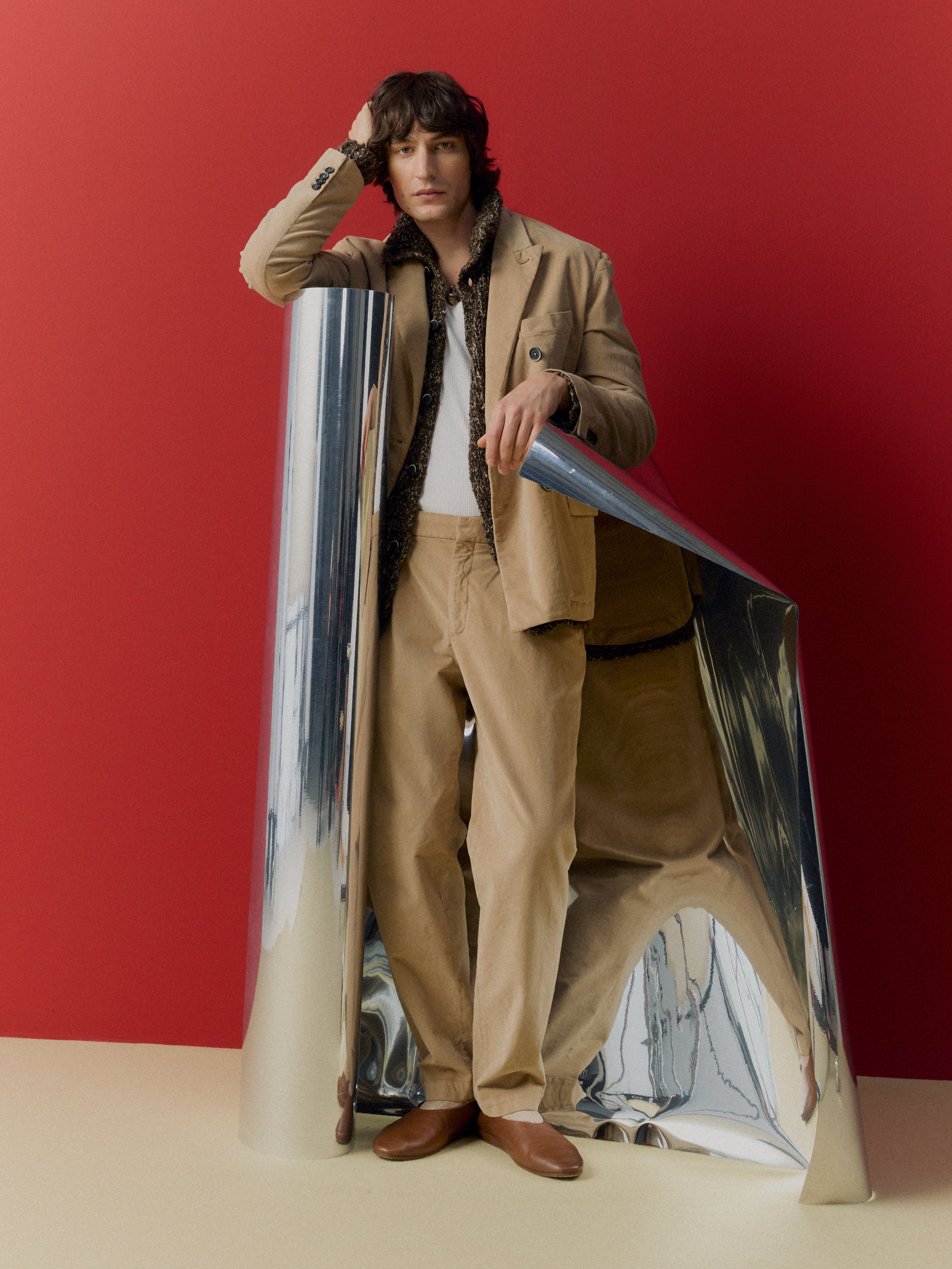
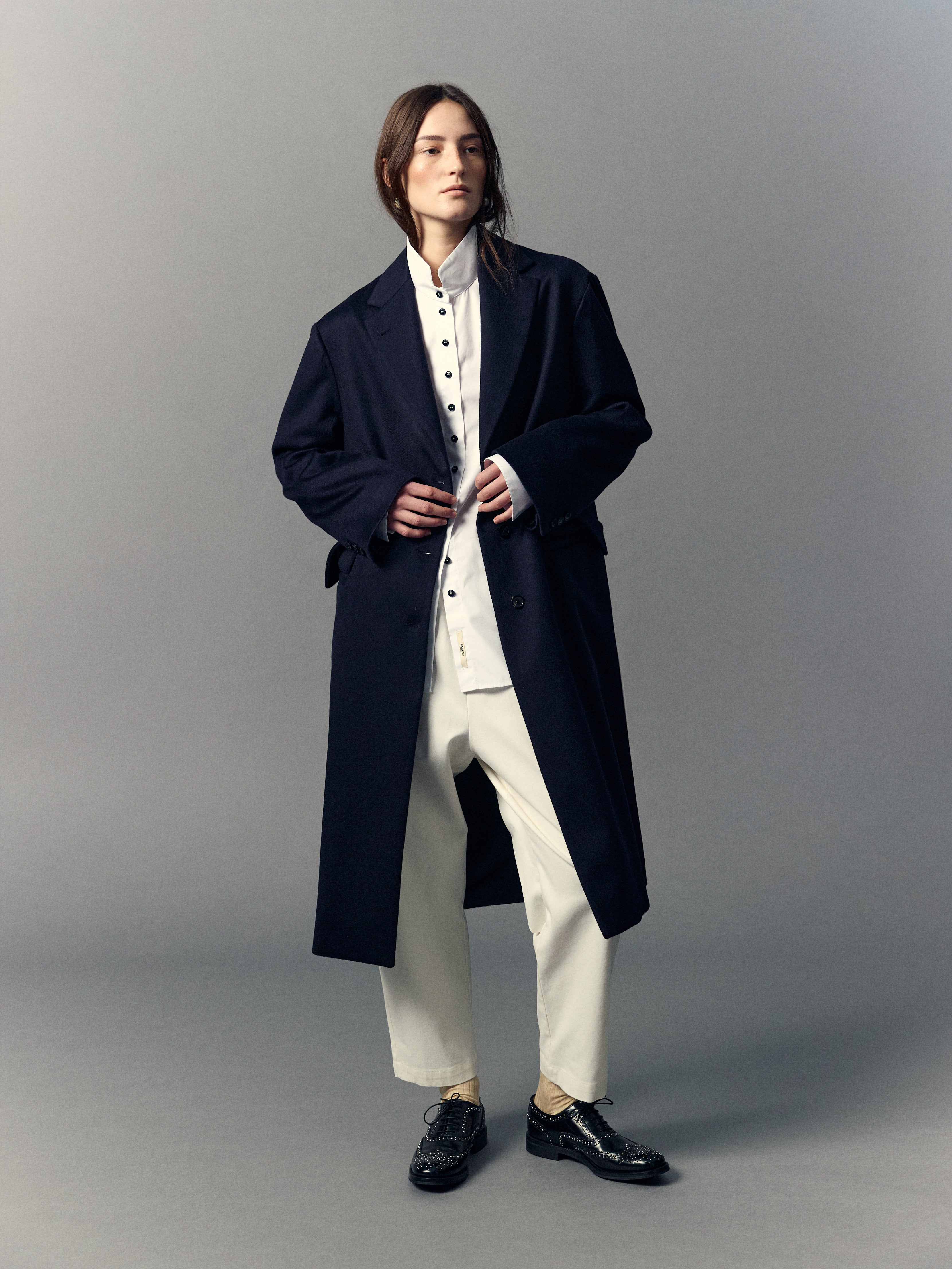
Barena Venezia Store, Venice
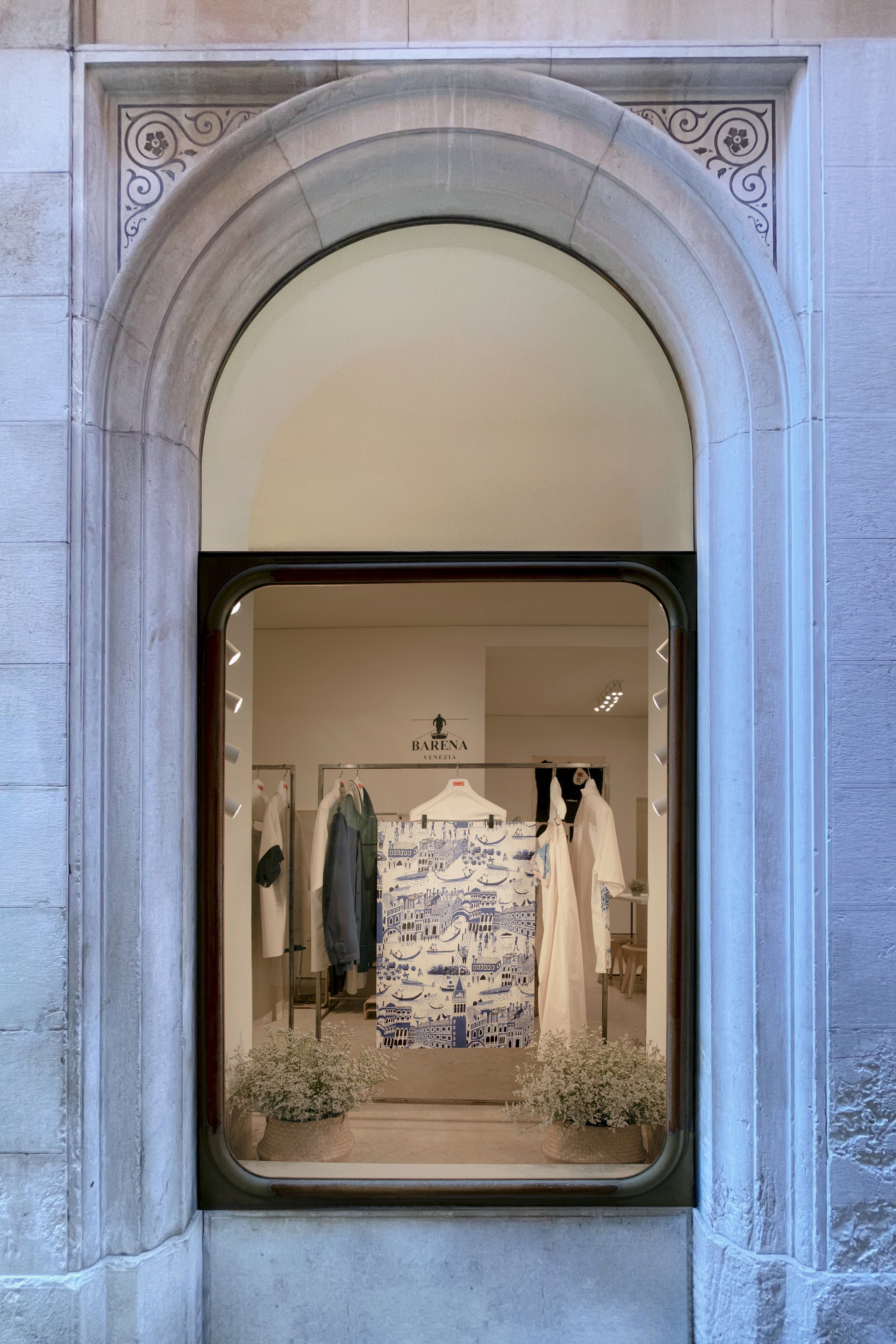
Barena Venezia opens its first store in Venice, at Calle Frezzaria 1822, San Marco, marking a milestone and reaffirming its deep connection to the city and its surrounding lagoon.

Opening during the 61st International Art Exhibition of La Biennale di Venezia, the space is conceived as both a retail environment and a reflection of the brand’s identity. Set within Palazzo Regina Vittoria, it spans 50 square meters. The shop is framed by the building’s original late-1950s design, defined by continuous windows and entrance doors that extend along the entire perimeter. Grounded in craftsmanship, authenticity, and understated elegance, the space is shaped through the reuse of existing materials, reducing environmental impact while echoing the textures and quiet atmosphere of Venice. The interior will evolve through rotating color themes, with the space conceived to shift over time, like a small gallery.


“Opening our first store has long been a shared ambition, and it felt natural to do so in Venice, the city we owe so much to,” says Davide Zara, Commercial Director of Barena Venezia.
Production has always taken place in Italy, in the Veneto region, close to the lagoon. This proximity continues to ground the brand’s approach, where place, process, and product remain closely connected.

Alongside the main collection, the store will exclusively present a selection of one-of-a-kind garments developed through ongoing experimentation in fabric and fit. “These pieces often emerge from processes that cannot be replicated,” explains Francesca Zara, Creative Director of Barena Venezia. “We felt it was important to give them a place. Presented only here, they exist as singular garments—1 of 1—each defined by its material, proportions, and treatment. They carry a value that goes beyond the collection, precisely because they cannot be repeated.”


Set within one of the city’s most active cultural moments, the opening reflects Barena Venezia’s presence in Venice today—rooted, continuous, and evolving. More than a store, it represents a natural step for the brand, bringing together collections, place, and a shared cultural context.
Read more
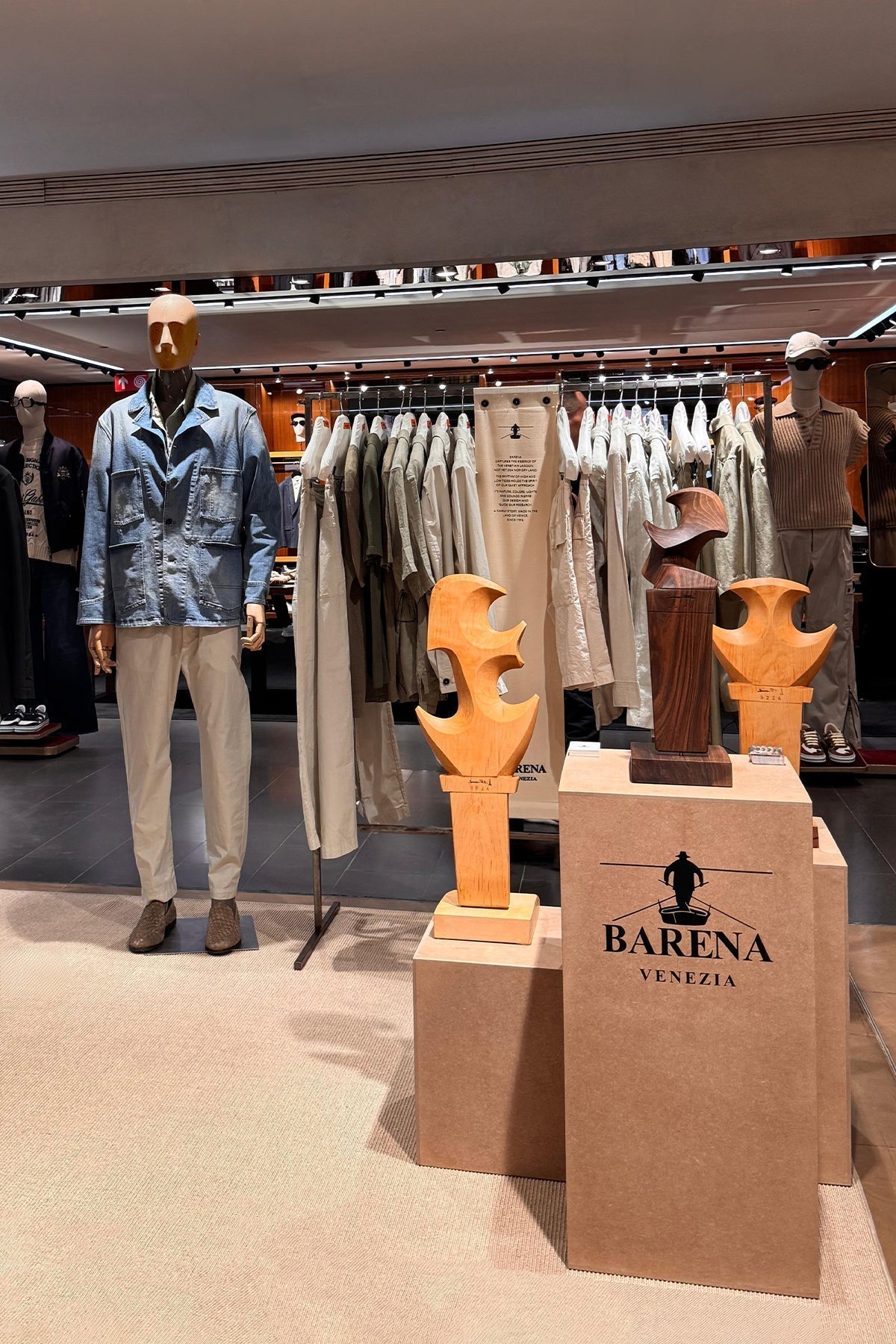
Barena Venezia is pleased to announce the opening of a dedicated pop-up space on the first floor of Rinascente, Milan. This corner offers an immersive look into the brand’s soul, presenting a selec...
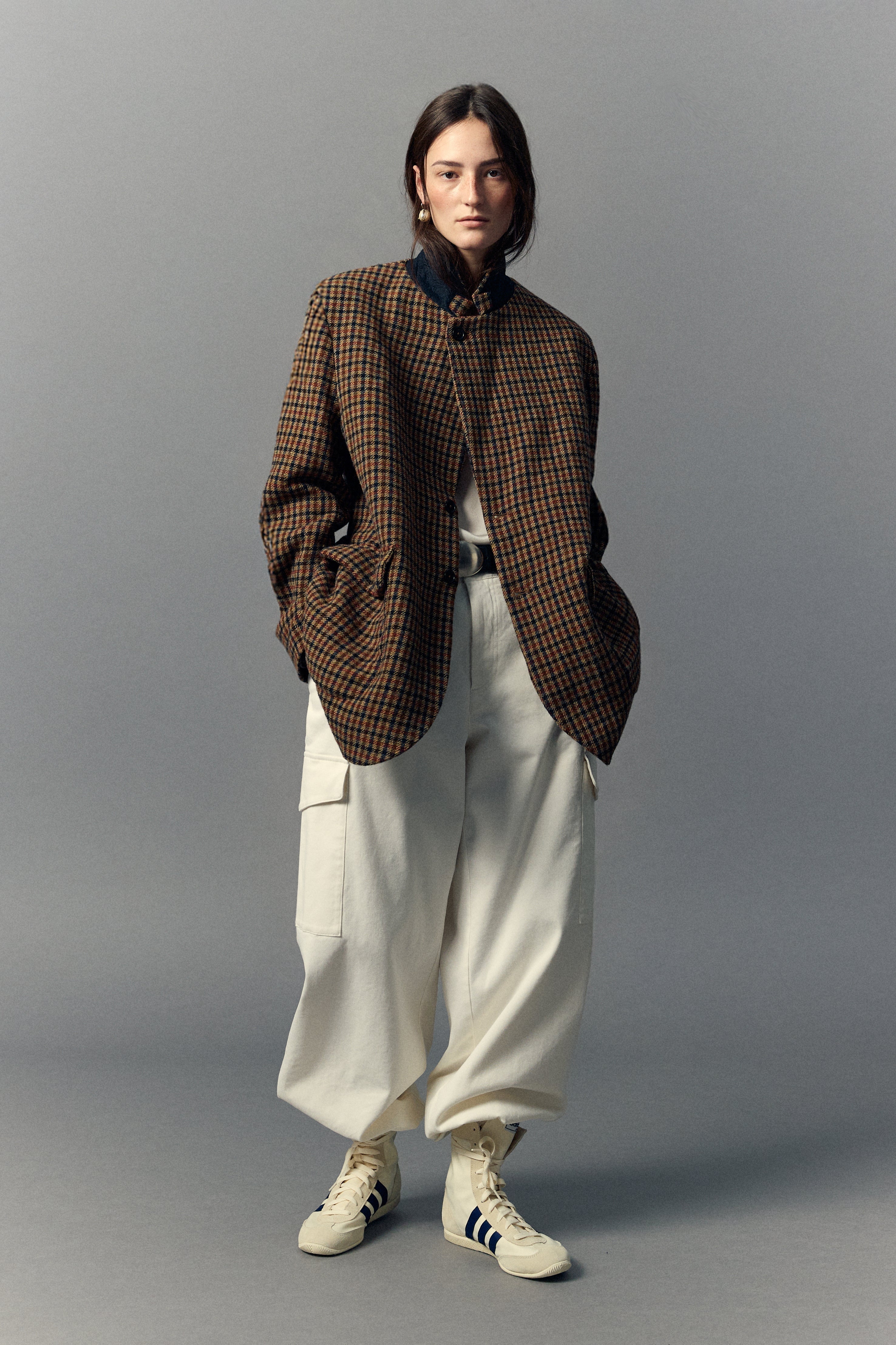
The FW26/27 Women’s Collection is Venice in winter: solid, structured, elegant, crossed by reflections of light and movement. Masculine volumes become architecture protecting, framing and empowe...